
Family animated shorts and specials
Animeiat: the shorts, specials and family films of the big animation studios, 2000 to 2026, and where to watch them
231 titles from Pixar, DreamWorks, Illumination, Disney, Blue Sky, Magic Light and more: the Forky and Mater shorts, Scrat and the Minions, holiday specials, storybook adaptations and family features. Search a title and press Watch now.
Latest additions
 Film · 109 min2026Forgotten Island
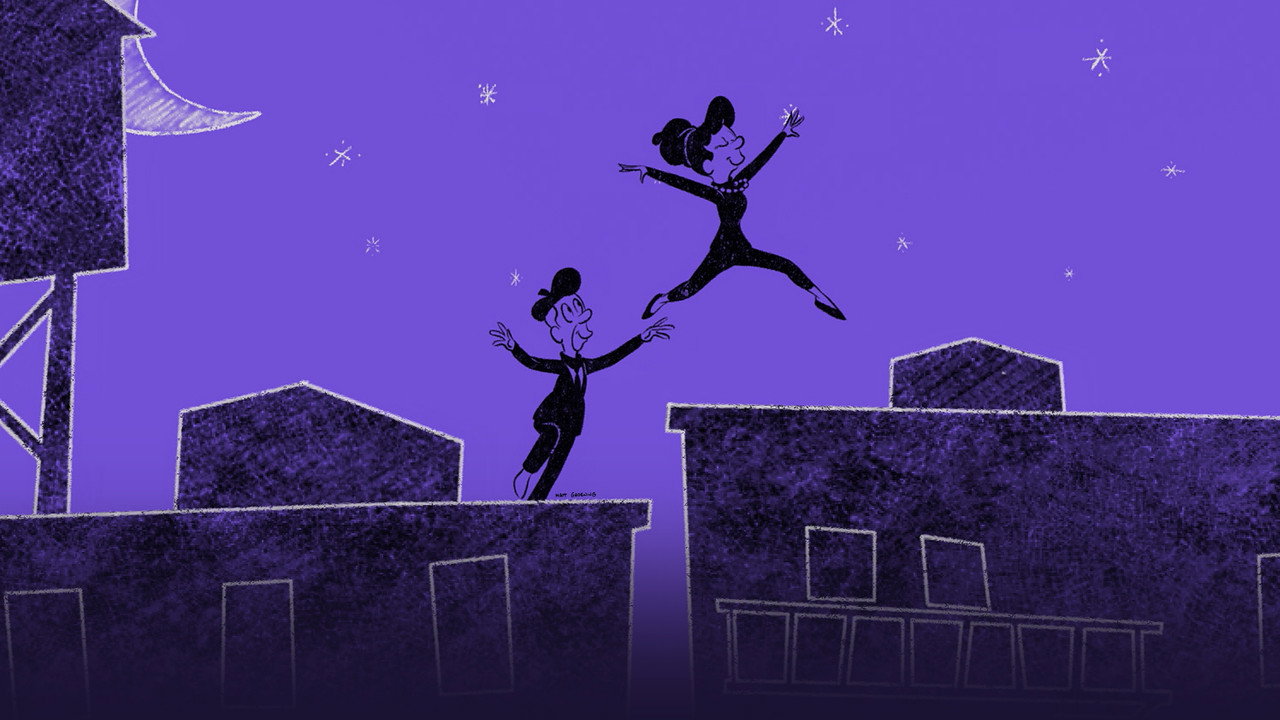 Special · 48 min2026Extreme Makeover: Homer Edition
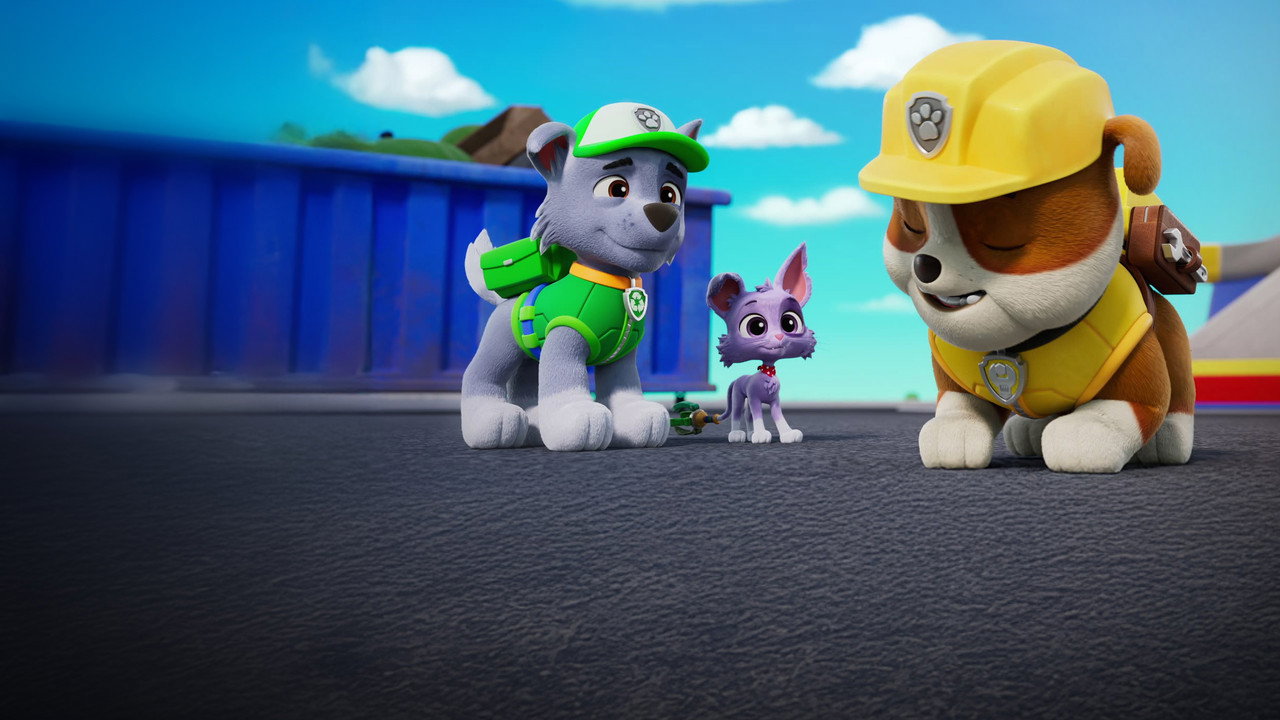 Special · 44 min2026Rocky's Cat-astrophe
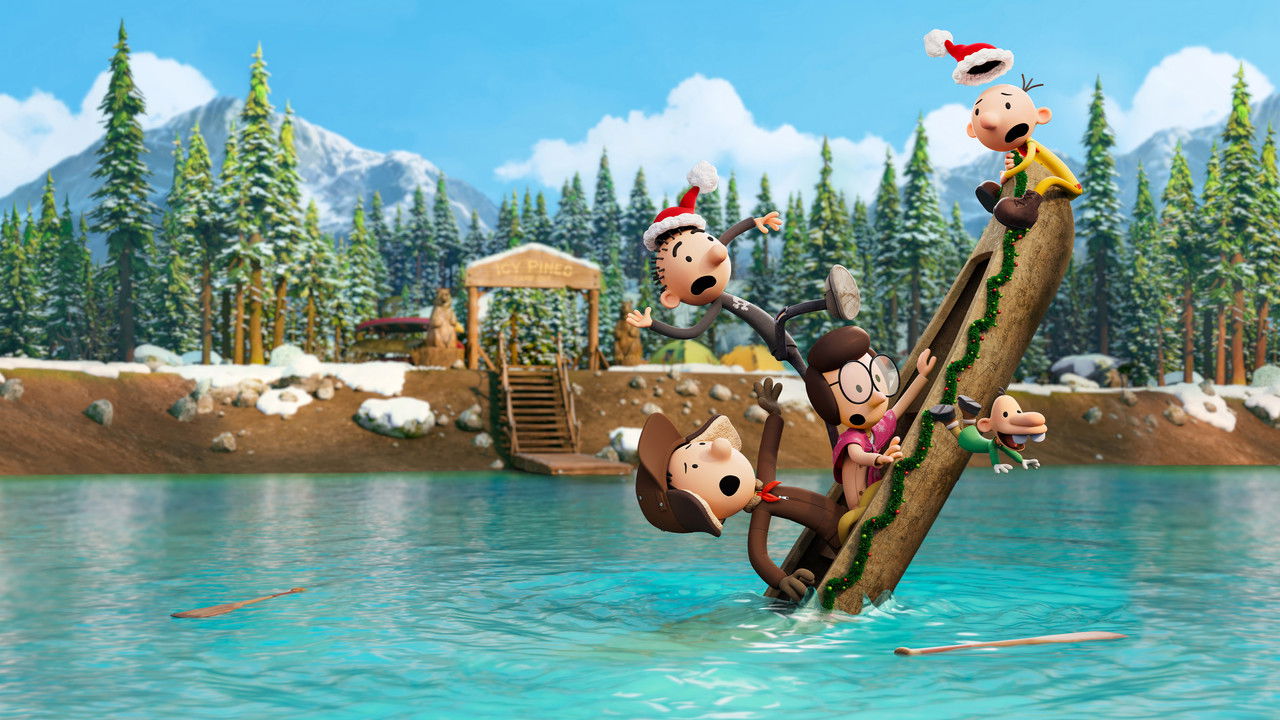 Film · 78 min2025Diary of a Wimpy Kid: The Last Straw
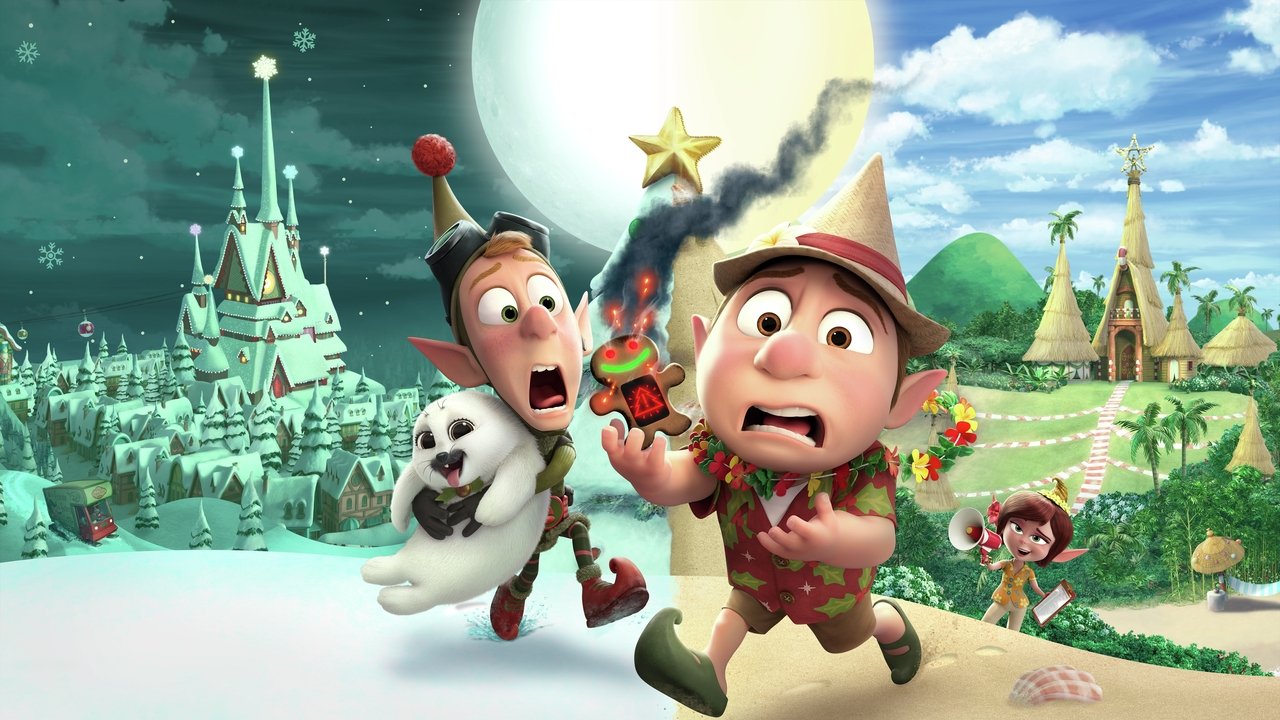 Short · 22 min2025Prep & Landing: The Snowball Protocol
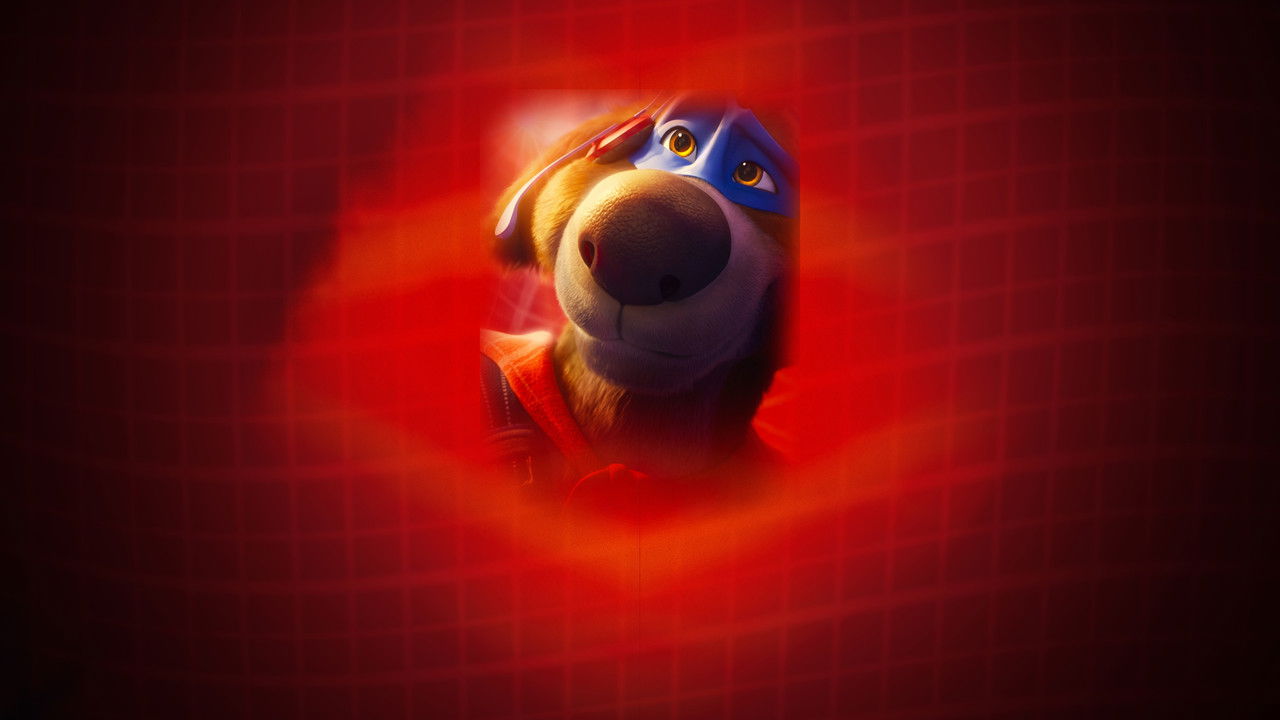 Film · 92 min2025Charlie the Wonderdog
 Film · 91 min2025Stitch Head
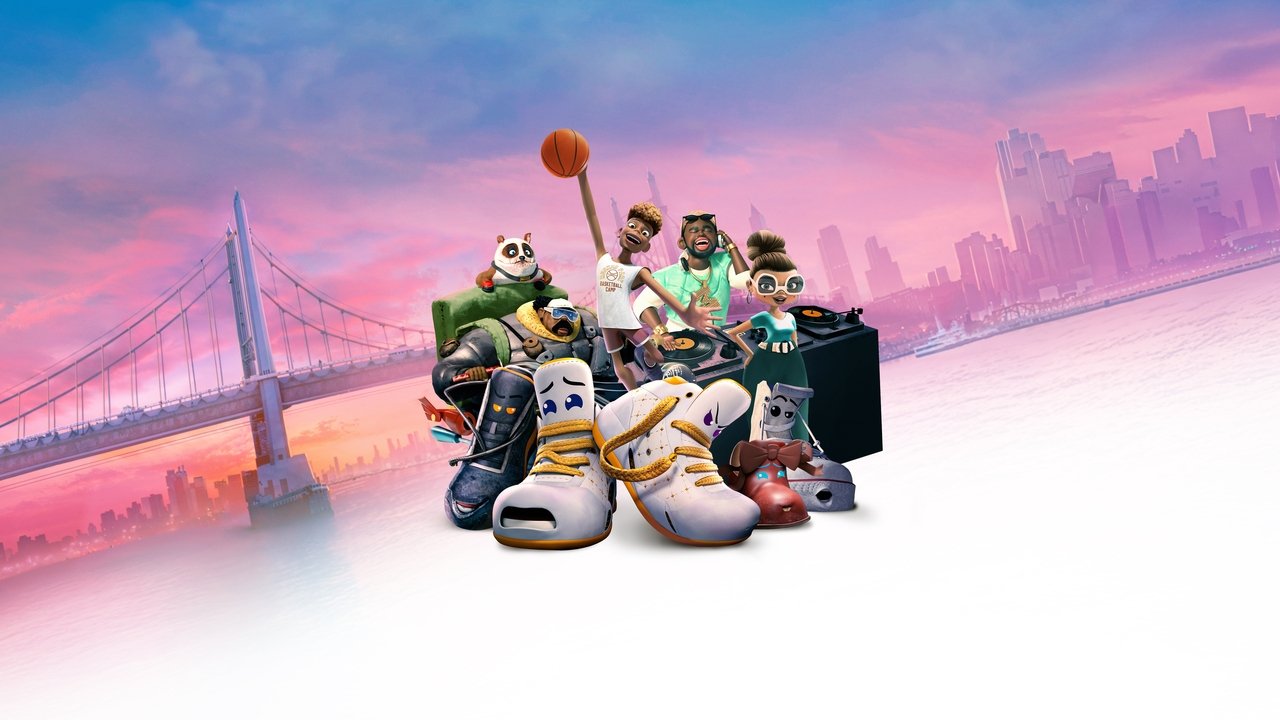 Film · 93 min2025Sneaks
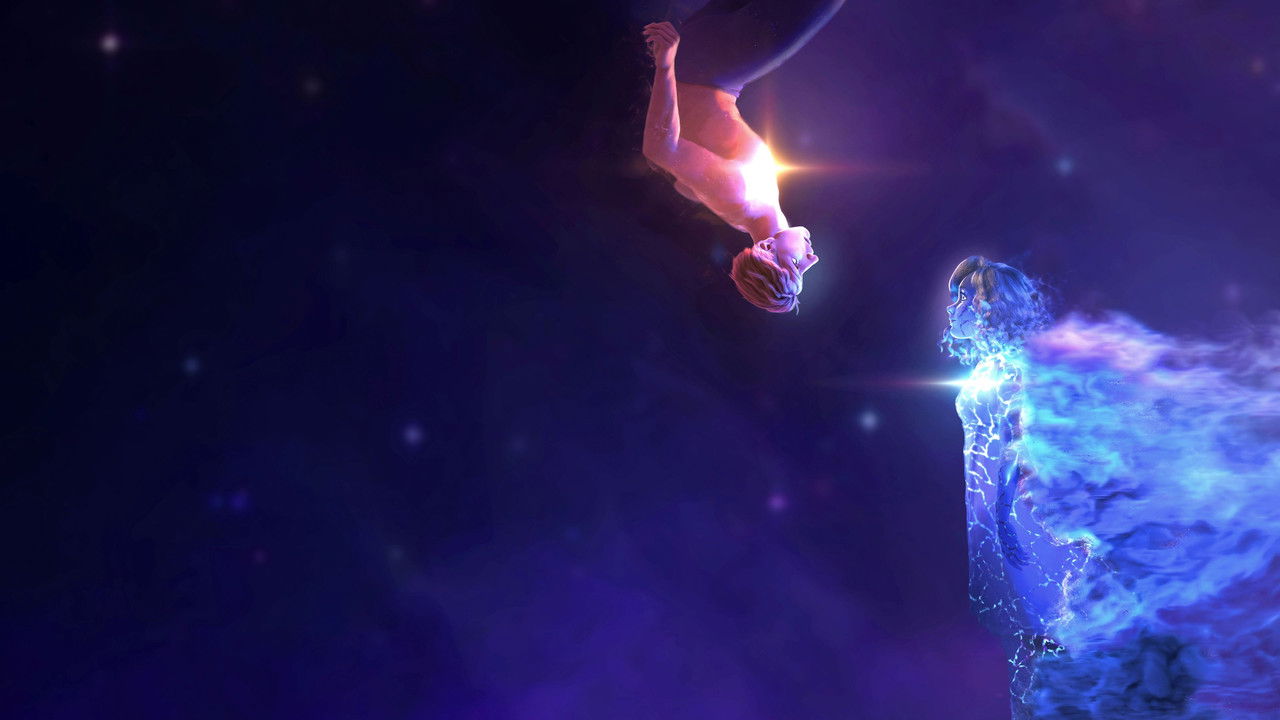 Short · 8 min2025Versa
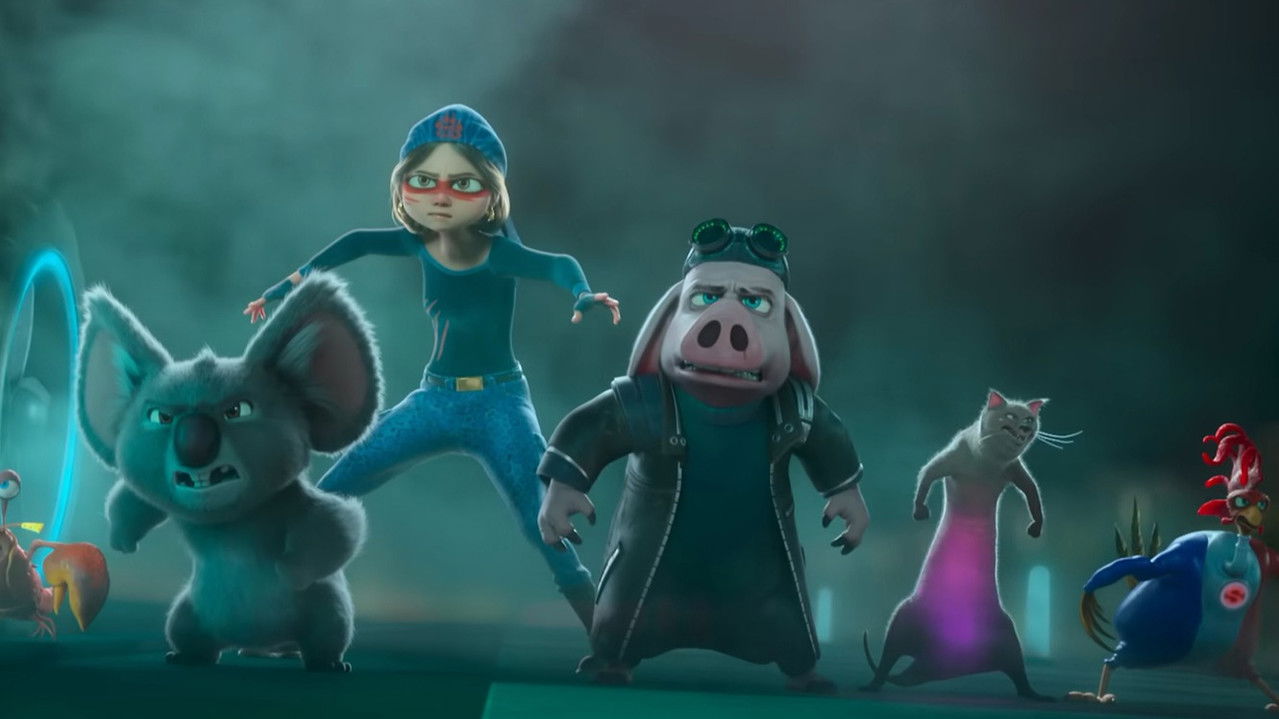 Film · 85 min2024Hitpig!
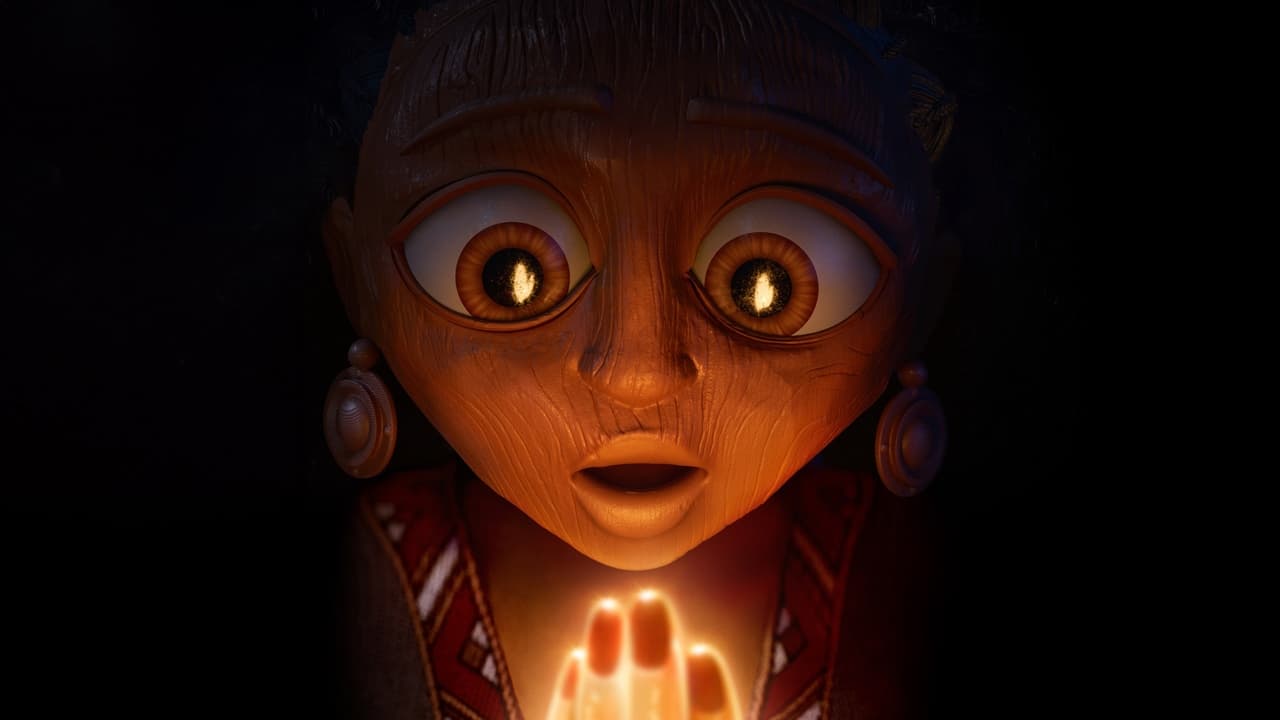 Short · 7 min2024Self
 Film · 90 min2024The Sloth Lane
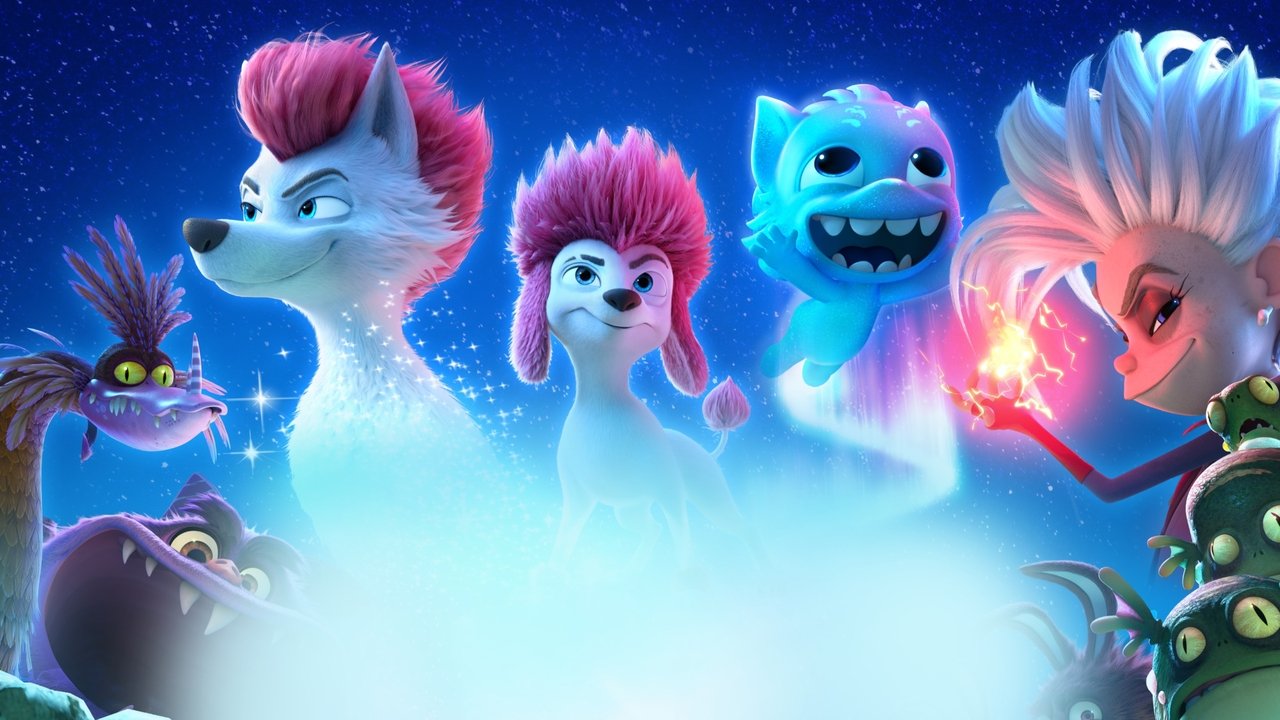 Film · 98 min2024200% Wolf
 Short · 3 min2024D.I.Y. Duck
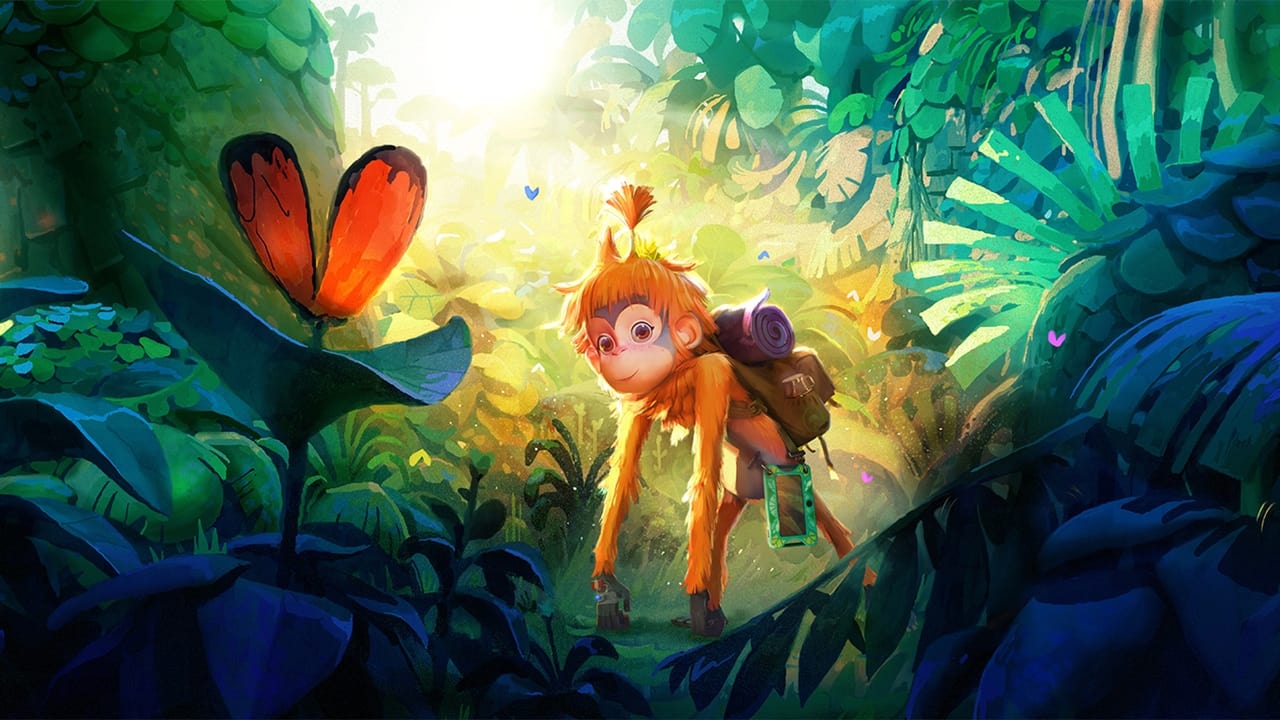 Film · 87 min2024OZI: Voice of the Forest
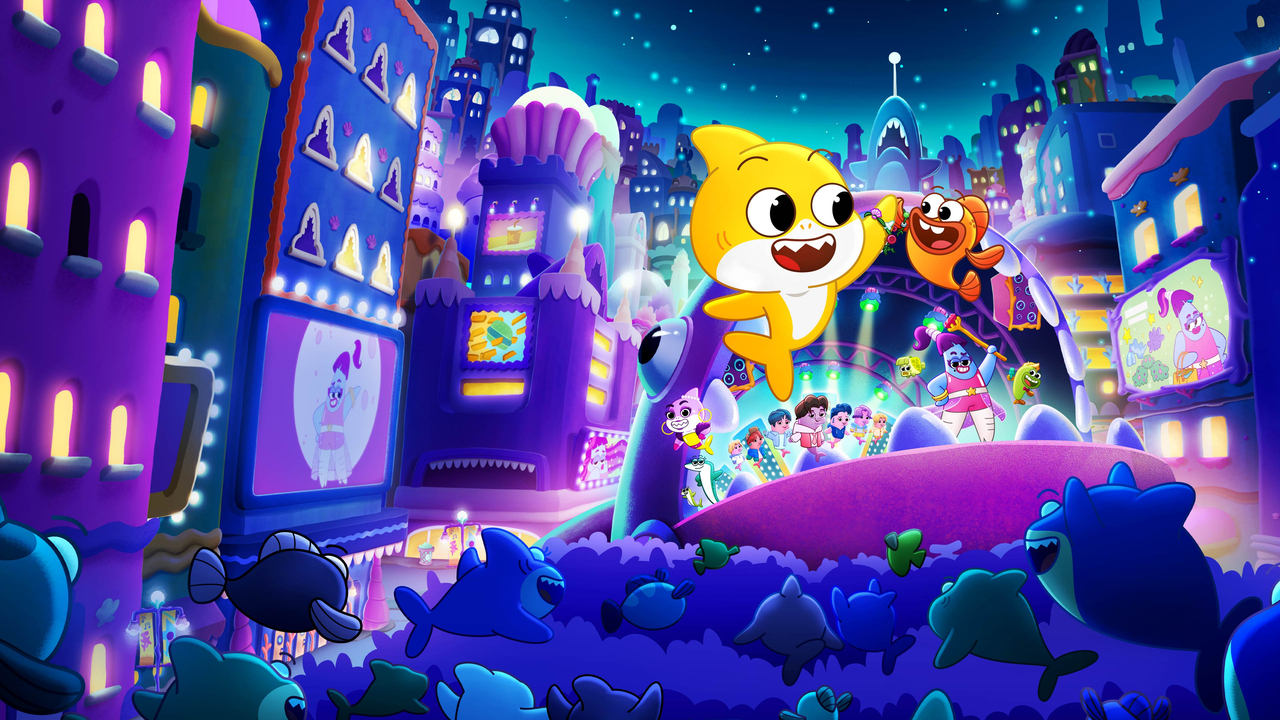 Film · 78 min2024Baby Shark's Big Movie
Pixar
 2019ShortForky Asks a Question: What Is Love?
 2019ShortForky Asks a Question: What Is Art?
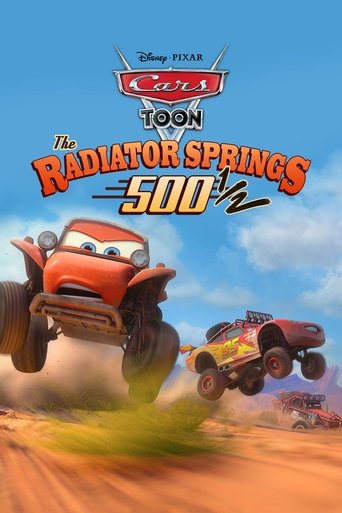 2014ShortThe Radiator Springs 500½
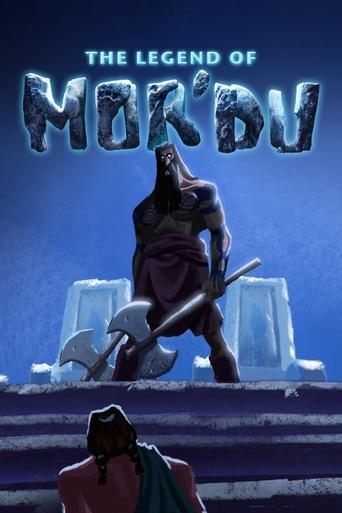 2012ShortThe Legend of Mor'du
 2019ShortForky Asks a Question: What Is a Leader?
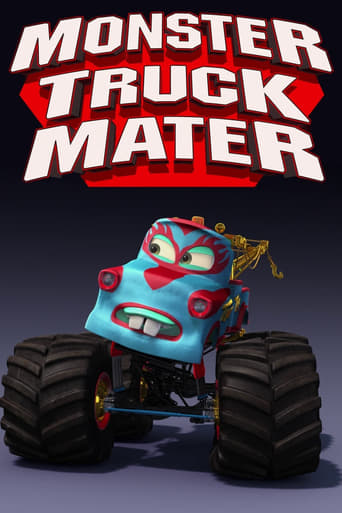 2010ShortMonster Truck Mater
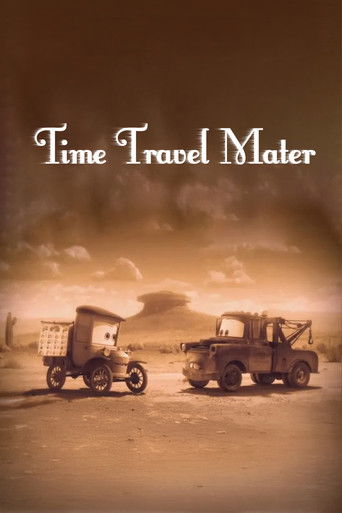 2012ShortTime Travel Mater
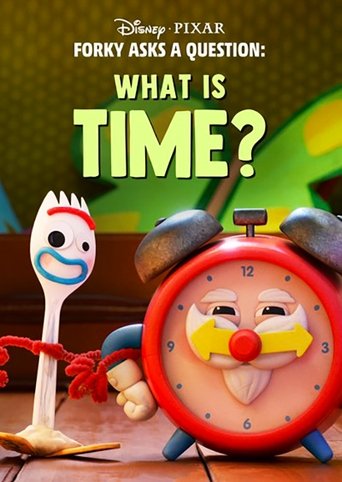 2019ShortForky Asks a Question: What Is Time?
 2009ShortGeorge and A.J.
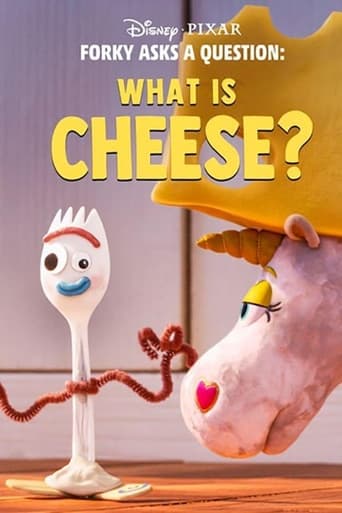 2020ShortForky Asks a Question: What Is Cheese?
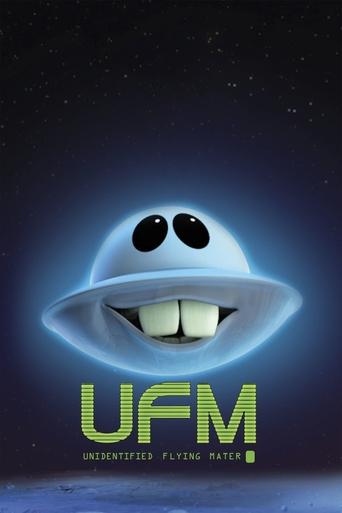 2009ShortUnidentified Flying Mater
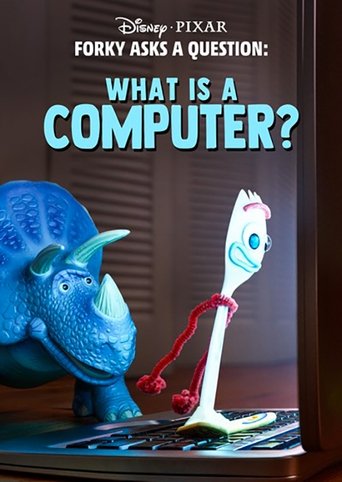 2019ShortForky Asks a Question: What Is a Computer?
DreamWorks
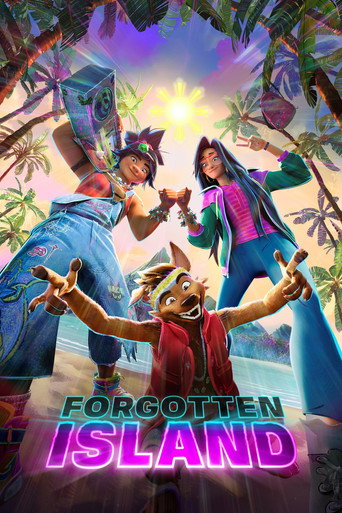 2026FilmForgotten Island
 2016ShortKung Fu Panda: Secrets of the Scroll
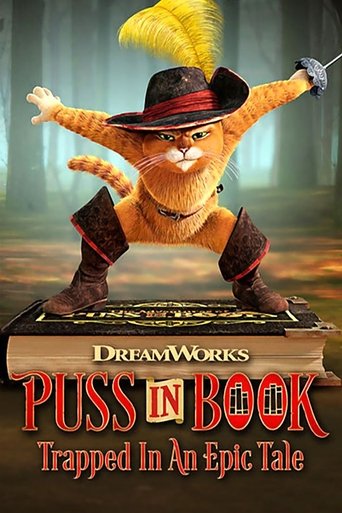 2017ShortPuss in Book: Trapped in an Epic Tale
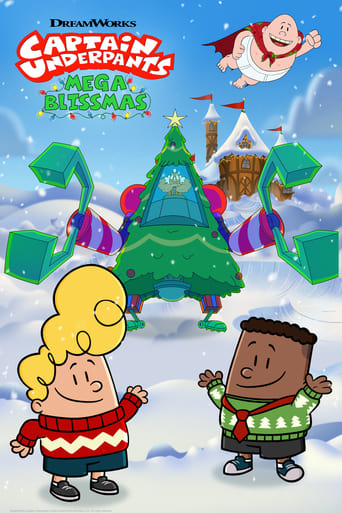 2020SpecialCaptain Underpants Mega Blissmas
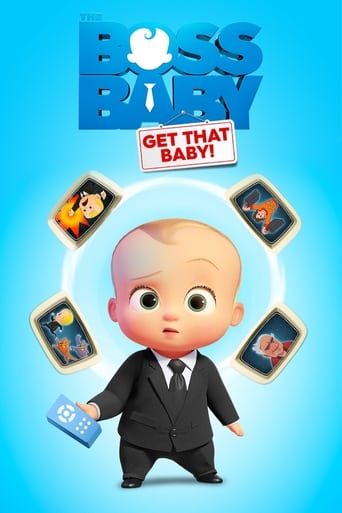 2020ShortThe Boss Baby: Get That Baby!
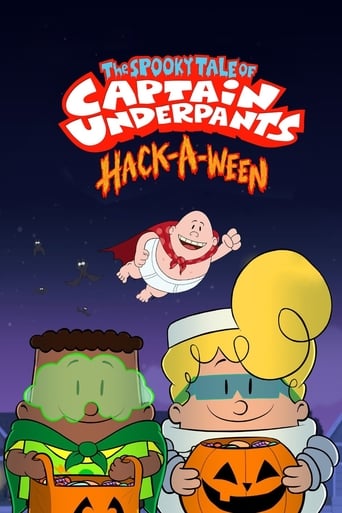 2019SpecialThe Spooky Tale of Captain Underpants Hack-a-ween
 2010ShortDonkey's Christmas Shrektacular
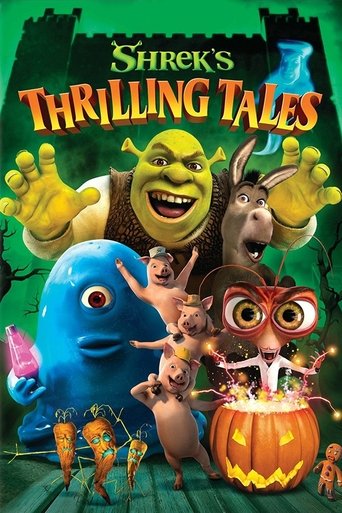 2012SpecialShrek's Thrilling Tales
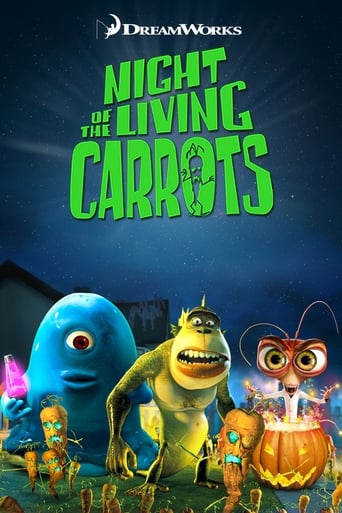 2011ShortNight of the Living Carrots
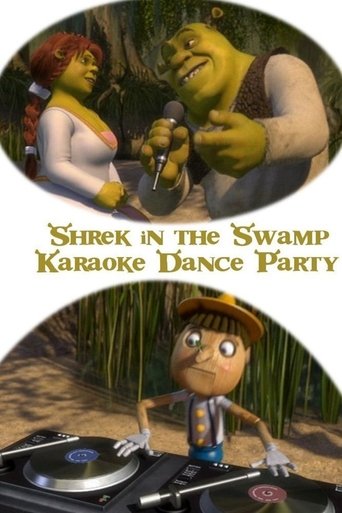 2001ShortShrek in the Swamp Karaoke Dance Party
 2020ShortTo: Gerard
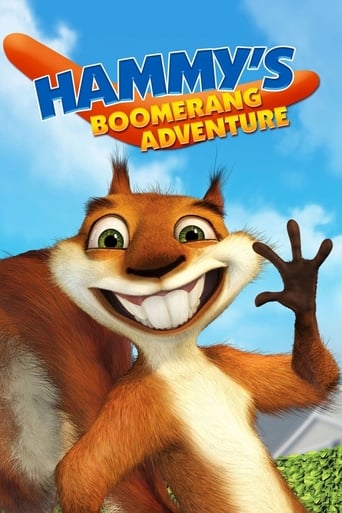 2006ShortHammy's Boomerang Adventure
Illumination
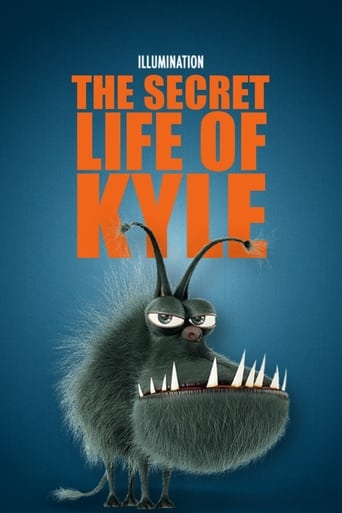 2017ShortThe Secret Life of Kyle
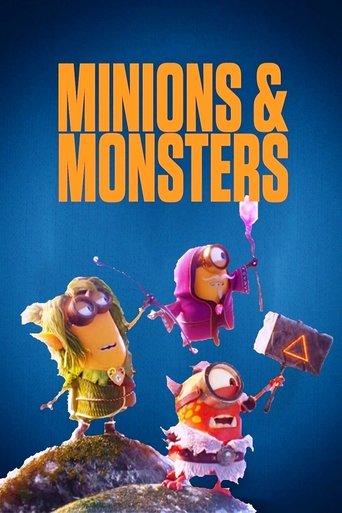 2021ShortMinions & Monsters
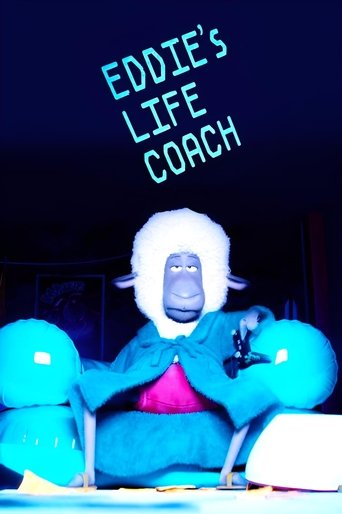 2017ShortEddie's Life Coach
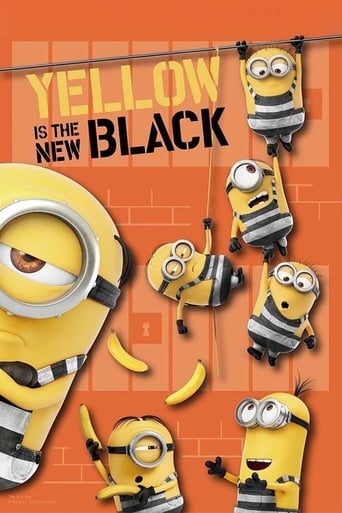 2018ShortYellow Is the New Black
 2010ShortHome Makeover
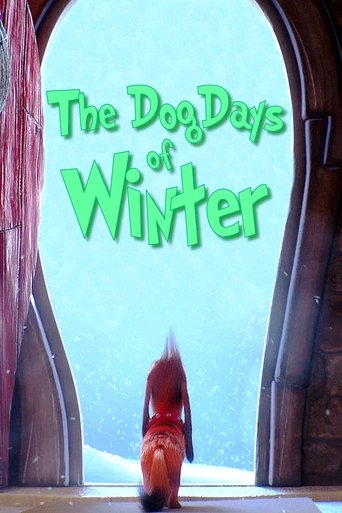 2019ShortThe Dog Days of Winter
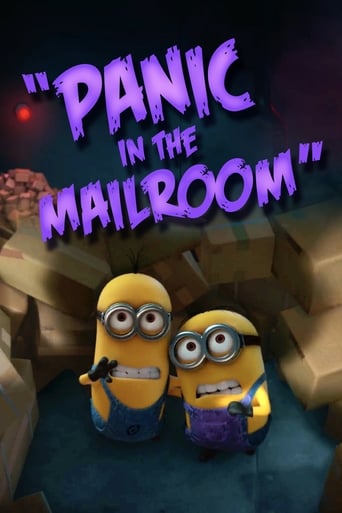 2013ShortPanic in the Mailroom
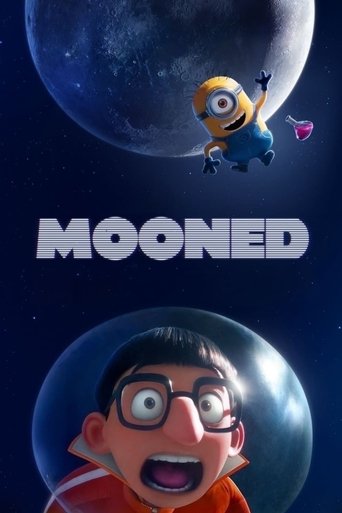 2023ShortMooned
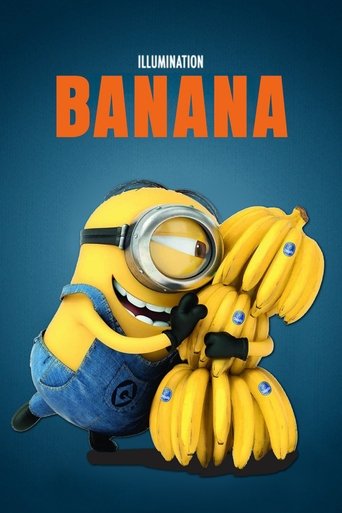 2010ShortBanana
 2017ShortLove at First Sight
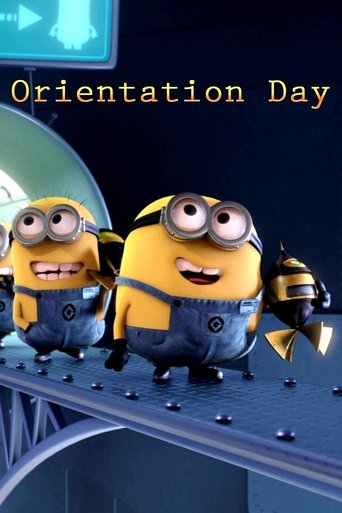 2010ShortOrientation Day
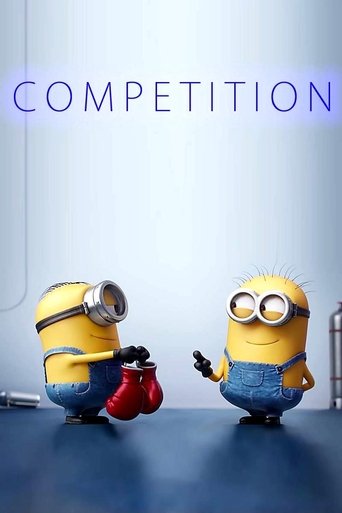 2015ShortCompetition
Christmas specials
 2023SpecialDiary of a Wimpy Kid Christmas: Cabin Fever
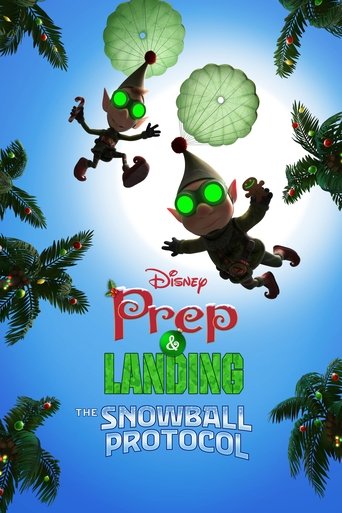 2025ShortPrep & Landing: The Snowball Protocol
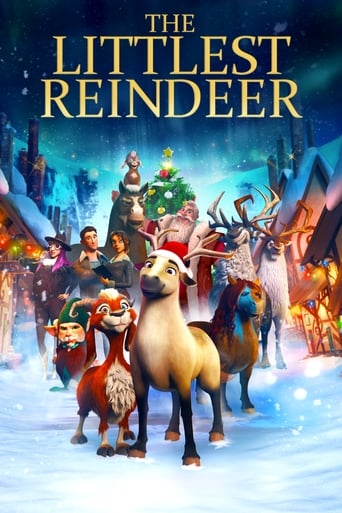 2018FilmElliot: The Littlest Reindeer
- 2020SpecialCaptain Underpants Mega Blissmas
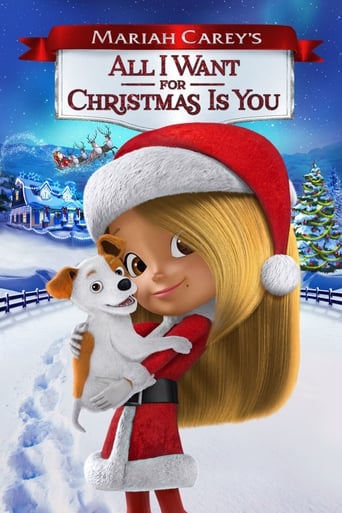 2017FilmMariah Carey's All I Want for Christmas Is You
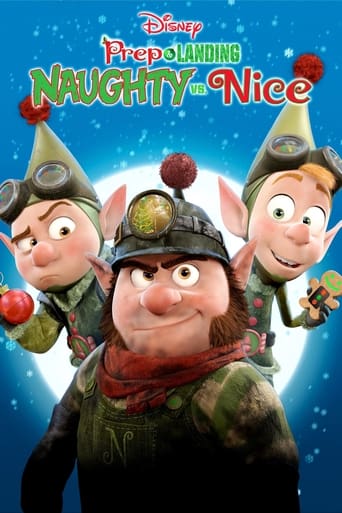 2011ShortPrep & Landing: Naughty vs. Nice
- 2010ShortDonkey's Christmas Shrektacular
 2001FilmChristmas Carol: The Movie
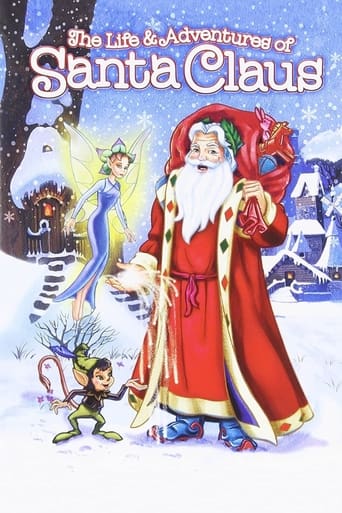 2000FilmThe Life & Adventures of Santa Claus
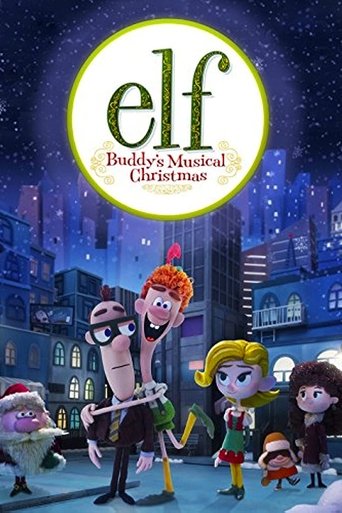 2014SpecialElf: Buddy's Musical Christmas
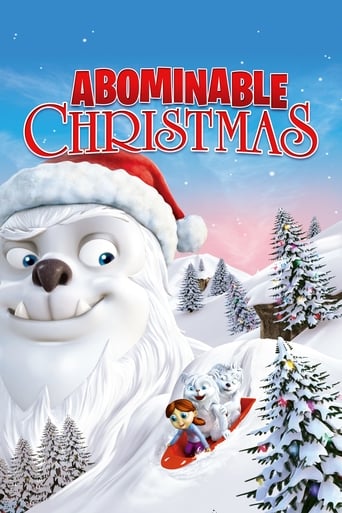 2012SpecialAbominable Christmas
- 2019ShortThe Dog Days of Winter
Storybook adaptations
 2020SpecialHere We Are: Notes for Living on Planet Earth
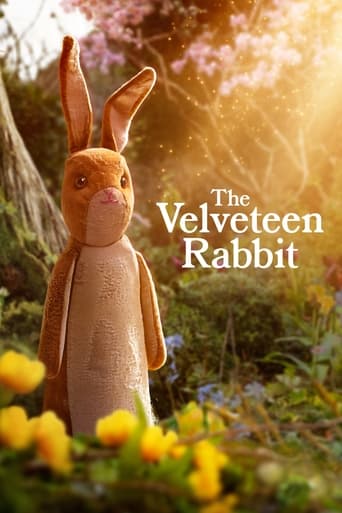 2023SpecialThe Velveteen Rabbit
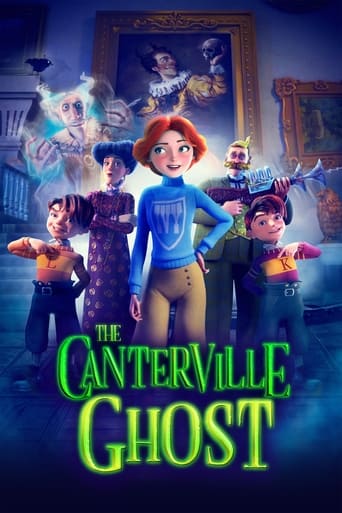 2023FilmThe Canterville Ghost
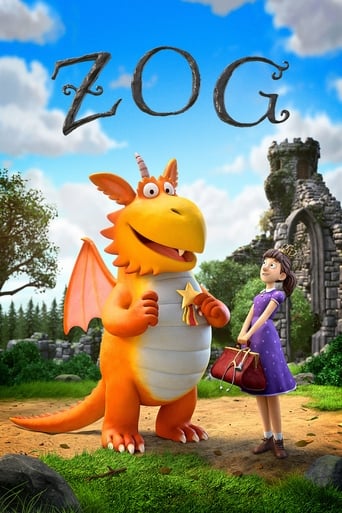 2018ShortZog
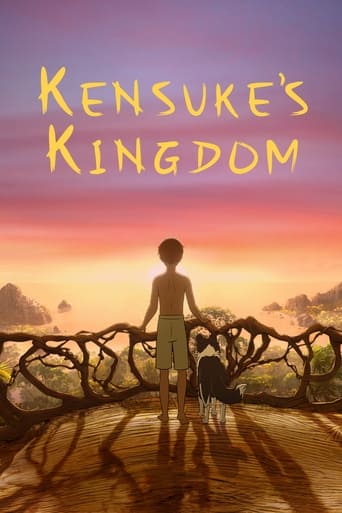 2024FilmKensuke's Kingdom
 2017SpecialRevolting Rhymes
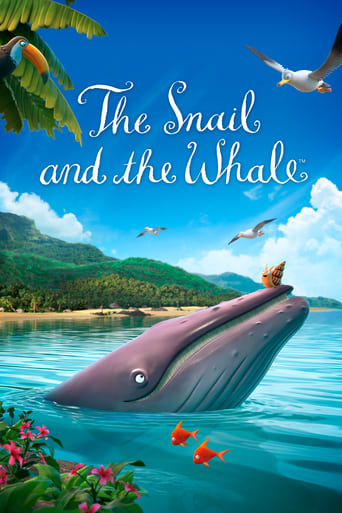 2020ShortThe Snail and the Whale
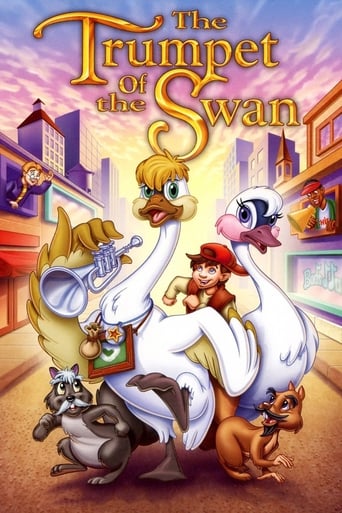 2001FilmThe Trumpet of the Swan
- 2001FilmChristmas Carol: The Movie
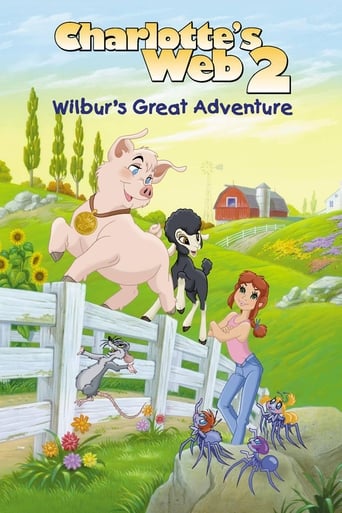 2003FilmCharlotte's Web 2: Wilbur's Great Adventure
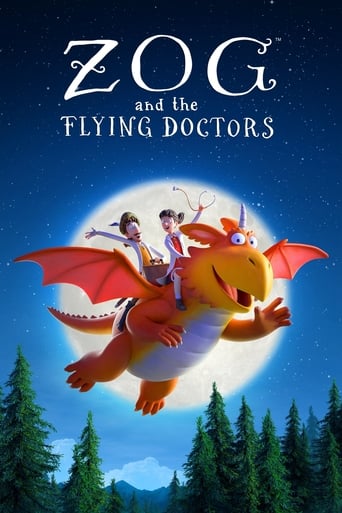 2021ShortZog and the Flying Doctors
- 2000FilmThe Life & Adventures of Santa Claus
Guides
- How to watch with AnimeiatFrom a title's page to the official service.
- Pixar's shorts and extrasForky, Mater and the SparkShorts.
- DreamWorks shorts and specialsShrek, Po, Puss in Boots and friends.
- The Minions minisIllumination's little yellow troublemakers.
- Holiday specialsChristmas and Halloween with the whole family.
- Languages and dubsEnglish originals, Arabic dubs and subtitles.
- The official Animeiat siteHow to recognise the real address.
- Is Animeiat working?A quick check and easy fixes.
- Where Animeiat titles streamThe official services behind Watch now.
- Apps and devicesPhones, tablets, computers and televisions.
- Free family animationLegal ways to watch at zero cost.
- Streaming safelyA short checklist.
- Finding a titleSearch tips.
- My ListKeeping titles for later.
- Storybook adaptationsPicture books on the screen.
Animeiat: the shorts, specials and family films of the big animation studios, from Forky Asks a Question and the Minions minis to Prep & Landing, Zog and The Snail and the Whale
Behind every big animated film there is a second, smaller world of animation: the short that plays before the feature, the holiday special that returns every December, the extra adventure on the disc, the picture-book adaptation on Christmas Day television and the family film that goes straight to streaming. Since 2000, the great studios, from Pixar and DreamWorks to Illumination, Disney, Blue Sky and the British studio Magic Light, have made hundreds of these films, and many of them are as funny, moving and beautifully crafted as the features they accompany. Animeiat is a guide to this world, written in English for families everywhere.
Here you will find 231 titles. There are Pixar's Forky Asks a Question and the Cars Toons, Blue Sky's Scrat shorts, Illumination's Minions minis, DreamWorks specials with Shrek, Po and Puss in Boots, Disney's Prep & Landing and the I Am Groot shorts, the Maggie Simpson cartoons, Magic Light's Zog and The Snail and the Whale, The Snowman and the Snowdog, the later Land Before Time films and dozens of family features from studios around the world.
Every title has its own page with the story, the year, the running time and the studio, and a Watch now button that opens it on JustWatch for the country you choose. This guide first explains how Animeiat is laid out and then visits each studio in turn, introducing the characters and the films that make the perfect family viewing.
Why shorts and specials
Short films and specials are perfect for families. A five-minute Minions mini fits between dinner and bedtime, a twenty-five-minute picture-book adaptation is the right length for a younger child, and a holiday special can become a tradition that a family returns to every year. They also let studios experiment: many of Pixar's and DreamWorks' most daring ideas, new directors and new techniques appeared first in a short.
These films are also the best way to spend more time with favourite characters. Fans of Toy Story can follow Forky's questions, fans of Cars can enjoy Mater's tall tales, fans of Ice Age can follow Scrat's endless pursuit of his acorn, and fans of Kung Fu Panda can discover how the Furious Five came together. Animeiat gathers them all in one place, saving you a search through a dozen discs and menus.
How Animeiat looks
Animeiat keeps the look of the original Animeiat site, built with the Material Design system: a clean white bar with an orange wordmark, small round icon buttons, and soft shadows that lift each card off the page. Section titles sit on rounded white sheets with a pin icon, and every card carries small coloured chips, a blue one for the year and a red, purple or green one for the type of title: short, special or film.
The Latest additions appear as wide pictures with the title on a dark gradient, just like the newest episodes on the original site, followed by an orange Show more button. Below them, rows of posters for each studio scroll sideways, and the guides close the page in a grid of cards. On a phone, the rows become easy to swipe and the menu folds into a single button.
Using the site
The home page opens with a short introduction, the Latest additions grid and rows for Pixar, DreamWorks, Illumination, Christmas specials and storybook adaptations, each with a Show more button that opens the full shelf. The Catalogue link in the bar opens all 231 titles with sorting by popularity, rating or year, and the Browse page lists everything from A to Z.
The search field accepts titles and character names, so typing Forky, Mater, Scrat, Minions or Zog brings up every match at once. When you find something you like, press Add to My List; the list stays in your browser and can be exported to another device. When you are ready to watch, choose your country and press Watch now to see the official services that carry the title.
Pixar's shorts and extras
Pixar began as a maker of short films, and shorts remain at the heart of the studio. Alongside the famous shorts that play before its features, Pixar has made a long line of extras for discs, television and streaming. The best known are the Cars Toons. In Mater's Tall Tales, the rusty tow truck Mater tells Lightning McQueen incredible stories about his past, each of which Lightning refuses to believe until it turns out to be true: Rescue Squad Mater, in which Mater remembers his days as a fire truck; Mater the Greater, a daredevil stunt show; El Materdor, a bullfight with bulldozers in Spain; Unidentified Flying Mater, about a tiny lost UFO; Monster Truck Mater, a wrestling championship; and Time Travel Mater, a trip back to the founding of Radiator Springs.
The later Tales from Radiator Springs are gentler slices of life in the little desert town: Hiccups, in which the whole town tries to cure Lightning's hiccups, Spinning, about Guido's talent for spinning signs, and The Radiator Springs 500½, a race against a gang of desert racers. Miss Fritter's Racing Skoool is a comic advertisement from the world of Cars 3.
In 2019 and 2020, Pixar made ten Forky Asks a Question shorts for the launch of Disney+. Forky, the anxious spork from Toy Story 4, asks the other toys big questions and gets wonderfully confusing answers: Forky Asks a Question: What Is Love?, Forky Asks a Question: What Is Time?, Forky Asks a Question: What Is Art?, Forky Asks a Question: What Is a Pet?, Forky Asks a Question: What Is a Computer?, Forky Asks a Question: What Is a Leader?, Forky Asks a Question: What Is Cheese? and Forky Asks a Question: What Is Reading? are all on the shelf.
Pixar also makes small extras for its films: George and A.J. follows the two nurses who tried to take Carl to a retirement home in Up, The Legend of Mor'du tells the dark legend behind Brave, Marine Life Interviews asks the animals of Finding Dory about Dory, and Dante's Lunch follows the hungry dog from Coco. The SparkShorts programme gives new directors a chance to make personal films: Loop, about a non-speaking autistic girl and a chatty boy on a canoe trip, Out, about a young man who hides a secret from his parents until a magical dog and cat swap brings it into the open, Wind, about a grandmother and grandson trapped in a chasm, and Self, about a wooden puppet who wishes to fit in. The Pixar guide follows them all.
Scrat and the Blue Sky shorts
Scrat, the sabre-toothed squirrel who will do anything for an acorn, was Blue Sky Studios' greatest comic creation, and his short films are tiny masterpieces of slapstick. Gone Nutty, from 2002, follows Scrat as he tries to add one last acorn to his enormous collection, with world-shaking results; it was nominated for the Oscar. Its follow-up of 2006 sends him through history in a time machine, from the Colosseum to the Titanic, and was also nominated. Scrat in Love introduces Scratte, his rival and sweetheart from Ice Age: Dawn of the Dinosaurs, and Scrat: Spaced Out follows him on a cosmic chase for his acorn.
The Minions and Illumination
Illumination's little yellow Minions began as Gru's helpers in Despicable Me in 2010 and quickly became stars in their own right, thanks largely to the mini-movies the studio made for its discs. Banana shows a group of Minions fighting over a single banana, Orientation Day follows their first day at work, and Home Makeover has Gru's girls and the Minions prepare the house for a visit from a social worker. Later minis include Panic in the Mailroom, Training Wheels, in which little Agnes chases an ice-cream van, Competition, Yellow Is the New Black, in which two Minions escape from prison, Santa's Little Helpers and Minions & Monsters.
The studio's other films have their own extras. Binky Nelson Unpacified follows the baby of a villainous family on a heist for his lost pacifier, The Secret Life of Kyle follows Gru's dog-like pet, and Mooned finds the villain Vector stranded on the Moon. Eddie's Life Coach and Love at First Sight come from the world of Sing, The Dog Days of Winter follows the Grinch's dog Max, and Wagon Ho! stars the Barbaloots of The Lorax. Minions: Holiday Special gathers four festive mini-movies, and Tree Lighting Ceremony brings the Minions' chaos to the season. The Minions guide lists every mini in order.
DreamWorks
DreamWorks Animation has made shorts and specials for almost all its films. The Shrek world came first: Shrek in the Swamp Karaoke Dance Party closes the first film with a song-filled party, Donkey's Christmas Shrektacular gathers the fairy-tale characters for a holiday concert, and Shrek's Thrilling Tales collects Halloween stories told around the swamp. Club Oscar finishes Shark Tale with a disco dance at the whale wash, Sinbad and the Cyclops Island is a short adventure from Sinbad: Legend of the Seven Seas, and Hammy's Boomerang Adventure stars the hyperactive squirrel from Over the Hedge.
Kung Fu Panda: Secrets of the Scroll, from 2016, tells how Po, while searching for his lost action figures, helped bring the Furious Five together years before the films. Puss in Book: Trapped in an Epic Tale was one of the first interactive specials on Netflix, letting viewers choose the path of the swashbuckling cat. How to Train Your Dragon: Snoggletog Log shares the holiday memories of Hiccup and Toothless, Night of the Living Carrots sets the Monsters vs. Aliens gang against vegetable zombies, and Almost Home introduced the aliens of Home.
The studio's original shorts are among its most beautiful work. First Flight follows a fussy businessman who learns to enjoy life with the help of a baby bird, Bird Karma is a painterly fable about greed, Marooned follows a robot stranded on the Moon who finds an unexpected friend, and To: Gerard tells of an elderly man who passes his love of magic to a little girl. DreamWorks' television studio also made specials for Captain Underpants, Madagascar: A Little Wild and The Boss Baby, and in 2026 the feature Forgotten Island. The DreamWorks guide follows the studio.
Disney and Marvel
Walt Disney Animation Studios has continued to make short films alongside its features. John Henry, from 2000, tells the legend of the steel-driving folk hero in a bold style inspired by African-American quilts and folk art. The Little Matchgirl, from 2006, first planned as part of a new Fantasia, retells Hans Christian Andersen's story to the music of Borodin, told entirely through music and images, and was nominated for the Oscar. D.I.Y. Duck, from 2024, made for Donald Duck's ninetieth birthday, sends him into a hand-drawn battle with a light bulb, and Versa is a newer experimental short about a young couple's journey through joy and sorrow.
Disney's television studio created the holiday favourite Prep & Landing, about Wayne and Lanny, two elves who prepare houses for Santa's arrival. Prep & Landing: Naughty vs. Nice follows them on a mission to recover stolen North Pole technology, and Prep & Landing: The Snowball Protocol, from 2025, brings them back for a new adventure. Captain Sparky vs. The Flying Saucers is a home movie from the world of Frankenweenie, Elena and the Secret of Avalor introduced Disney's first Latina princess, and Descendants: The Royal Wedding celebrates the marriage of Ben and Mal. The animated Diary of a Wimpy Kid films, including Diary of a Wimpy Kid Christmas: Cabin Fever and Diary of a Wimpy Kid: The Last Straw, bring Greg Heffley's comic misadventures to Disney+.
Marvel Studios' I Am Groot shorts follow the toddler tree from Guardians of the Galaxy: in The Little Guy he finds a tiny civilisation that worships him, in Magnum Opus he paints a family portrait of the Guardians, and in Groot's Pursuit a spooky noise leads to a dance-off. The Disney and Marvel shelf gathers them all.
Maggie Simpson and the studio extras
The youngest Simpson has her own series of theatrical shorts. Maggie Simpson in "The Longest Daycare", from 2012, shown before Ice Age: Continental Drift, follows Maggie's first day at the Ayn Rand School for Tots, where she protects a caterpillar from a mischievous baby; it was nominated for the Oscar. Maggie Simpson in "Playdate with Destiny", shown before Pixar's Onward, is a silent playground romance, Maggie Simpson in "The Force Awakens from Its Nap" sends her on a Star Wars adventure at daycare, and Extreme Makeover: Homer Edition is a newer family special.
Other studios have their own extras. Puppy!, from Sony Pictures Animation, gives little Dennis of Hotel Transylvania a monster-sized pet, and Spider-Ham: Caught in a Ham stars the pig hero of Into the Spider-Verse. Rabid Rider brings the Road Runner and Wile E. Coyote into computer animation, and the LEGO shorts LEGO Star Wars: The Quest for R2-D2, LEGO Star Wars: Bombad Bounty and Lego Indiana Jones and the Raiders of the Lost Brick retell famous adventures with plastic bricks and gentle humour. The Blue Sky, Sony, Warner and more shelf gathers them.
Magic Light and the picture-book films
In Britain, Christmas Day television has become home to a series of beautiful half-hour films based on picture books, most of them made by Magic Light Pictures from the books of Julia Donaldson and Axel Scheffler, the authors of The Gruffalo. Zog, from 2018, follows an eager young dragon at Dragon School who keeps crashing into things until a princess patches him up, and Zog and the Flying Doctors sends Zog, Princess Pearl and the knight Gadabout on a flying medical round. The Highway Rat tells of a greedy rat who robs travellers of their snacks until a clever duck outwits him, and The Snail and the Whale follows a tiny snail who hitches a ride around the world on the tail of a humpback whale.
Magic Light also adapted Roald Dahl's Revolting Rhymes, two half-hour films that twist familiar fairy tales with wicked humour and earned an Oscar nomination, and in 2023 made The Velveteen Rabbit, about a boy and the toy rabbit who longs to become real. Lupus Films made The Snowman and the Snowdog, a sequel to Raymond Briggs's The Snowman in which a boy builds a snowman and a snowdog who come to life on Christmas Eve, and Kensuke's Kingdom, based on Michael Morpurgo's novel about a boy shipwrecked on an island with an old Japanese soldier.
Studio AKA adapted Oliver Jeffers's Lost and Found, about a boy who tries to take a lost penguin home to the South Pole, and his Here We Are: Notes for Living on Planet Earth, a gentle guide to the planet for a newborn child. Cartoon Saloon's Late Afternoon follows an elderly woman drifting through her memories, Tonko House's The Dam Keeper tells of a young pig who keeps his town safe from a dark cloud, and Moonbot Studios' Silent celebrates the moment sound joined pictures in the cinema. The Storybook guide gathers them all.
Christmas and Halloween
Holiday specials are among the most loved family films. Beside Prep & Landing, The Snowman and the Snowdog and Donkey's Christmas Shrektacular, the Christmas specials shelf includes A Miser Brothers' Christmas, a sequel to the classic Rankin and Bass special of 1974 with the squabbling Heat Miser and Snow Miser, Elf: Buddy's Musical Christmas, a stop-motion musical version of the film Elf, Yes, Virginia, based on the famous 1897 letter to a New York newspaper, Grandma Got Run Over by a Reindeer, based on the comic Christmas song, and Mariah Carey's All I Want for Christmas Is You.
Newer holiday films include Albert, about a tiny fir tree who dreams of becoming the city's famous Christmas tree, Elliot: The Littlest Reindeer, about a miniature horse who wants to join Santa's team, A Trash Truck Christmas, Reindeer in Here, The Wishmas Tree and Captain Underpants Mega Blissmas. For Halloween, the Halloween shelf offers friendly frights: Scary Godmother: Halloween Spooktakular and Scary Godmother: The Revenge of Jimmy, Spookley the Square Pumpkin, Michael Jackson's Halloween, The Spooky Tale of Captain Underpants Hack-a-ween and Dear Dracula. The Holiday specials guide picks the best for each season.
Sequels and spin-offs
Many family franchises continued beyond the cinema. The Land Before Time, Don Bluth's 1988 film about the young dinosaur Littlefoot, grew into a long series of musical sequels; Animeiat lists The Land Before Time IX: Journey to Big Water, The Land Before Time X: The Great Longneck Migration, The Land Before Time XI: Invasion of the Tinysauruses, The Land Before Time XII: The Great Day of the Flyers, The Land Before Time XIII: The Wisdom of Friends and The Land Before Time XIV: Journey of the Brave, each with new friends and gentle lessons about friendship and courage.
Charlotte's Web 2: Wilbur's Great Adventure follows Wilbur as he befriends a lonely lamb, the Alpha and Omega films follow a family of wolves on new adventures, and the Norm of the North films bring the dancing polar bear back to New York. Kangaroo Jack: G'Day, U.S.A.! turns the live-action comedy into a cartoon, and The Nutty Professor imagines the grandson of the famous inventor. Television favourites appear too: Octonauts and the Caves of Sac Actun, The Magic School Bus Rides Again: Kids in Space, Craig Before the Creek, SlugTerra: Return of the Elementals and the DC Super Hero Girls films. The Sequels and spin-offs shelf holds forty-seven titles.
Family features from around the world
The Features shelf gathers eighty-five full-length family films made outside the biggest studios, many of them by independent companies in the United States, Canada, Europe, Australia and Asia. Everyone's Hero, from 2006, the last project of the actor Christopher Reeve, follows a boy who sets out to return Babe Ruth's stolen bat before the end of the 1932 World Series. Igor follows a hunchbacked lab assistant who dreams of becoming a scientist himself, and Sgt. Stubby: An American Hero tells the true story of the most decorated dog of the First World War.
From Europe come Yellowbird, about a timid bird who must lead a flock across the continent, Manou the Swift, about a swift raised by seagulls, Maya the Bee: The Honey Games, 200% Wolf and Welcome to Smelliville. Australia contributed Blinky Bill the Movie, Daisy Quokka: World's Scariest Animal and The Sloth Lane, and newer films such as OZI: Voice of the Forest, about an orphaned orangutan who learns sign language to save her forest, Hitpig!, Stitch Head, Sneaks and Charlie the Wonderdog keep the shelf growing. Literary classics appear in The Trumpet of the Swan, Tom Sawyer, Christmas Carol: The Movie, The Boxcar Children and The Canterville Ghost.
Viewing routes
Shorts and specials are perfect for themed evenings. Here are a few ideas.
A Pixar evening. Watch the Mater shorts from Rescue Squad Mater to Time Travel Mater, three Forky shorts and the SparkShorts Loop and Wind.
Minions marathon. Start with Banana, Orientation Day and Home Makeover, then Panic in the Mailroom, Training Wheels, Competition and Yellow Is the New Black: barely half an hour of pure chaos.
Christmas Eve. Line up Prep & Landing: Naughty vs. Nice, Donkey's Christmas Shrektacular, The Snowman and the Snowdog and Zog, and finish with A Miser Brothers' Christmas.
Picture-book afternoon. Watch The Snail and the Whale, The Highway Rat, Lost and Found and The Velveteen Rabbit with younger children.
Studio art. For older children and grown-ups, try The Little Matchgirl, Late Afternoon, The Dam Keeper, Bird Karma, Marooned and Out.
A short history of the studio short
The short film is as old as animation itself. In the golden age of the 1930s and 1940s, every cinema programme opened with a cartoon, and the studios competed fiercely to make the funniest and most beautiful seven minutes on the screen. When television arrived in the 1950s, the cinema cartoon slowly disappeared, and for decades the short film survived mainly at festivals and in art schools.
The revival began with Pixar. In the 1980s and 1990s, the young studio made short films to test new computer techniques and to show the world that computer animation could tell moving stories, and when Toy Story became a hit in 1995, Pixar brought back the tradition of showing a short before each feature. Other studios followed, and the arrival of the DVD in the late 1990s gave them a new reason to make shorts: the disc extras. Many of the films on Animeiat, from the Minions minis to the Mater tall tales, were first seen as bonus features on a disc.
In the 2010s, streaming services opened yet another door. Netflix, Disney+ and Apple TV+ commissioned specials, interactive films and short series, and studios began to use shorts to discover new directors. Today the short film is once again a central part of family animation, a place where studios celebrate their characters, try out bold ideas and give young artists their first chance to direct.
How a studio short is made
A studio short is made in the same way as a feature, only smaller. It begins with a story pitched to the studio's creative leaders, often by an artist directing for the first time. The story is drawn as a storyboard, a sequence of simple sketches that shows every shot, and then cut together with temporary voices and music into a rough version called an animatic. Only when the animatic works does production begin.
For a computer-animated short, artists then build the characters and sets as three-dimensional models, give them skeletons and controls so that animators can move them, and paint their surfaces with colour and texture. Animators bring the characters to life one pose at a time, lighting artists decide how the light falls in every scene, and the computer renders the final images frame by frame. A short of five minutes can take a small team a year or more to complete. Hand-drawn and stop-motion shorts follow the same steps with pencils, paint and puppets instead of computer models.
The sound is just as important. Composers write scores that often carry the whole story, especially in shorts told mostly through pictures, and sound designers create the squeaks, crashes and footsteps that make the comedy land. Listening closely to a short such as Gone Nutty or Banana is a lesson in how much sound adds to animation.
The studios behind the films
Each studio on Animeiat has its own personality. Pixar, in Emeryville, California, is known for heartfelt stories and technical invention, and its shorts range from broad comedy to quiet personal films. DreamWorks Animation, founded in 1994, built its reputation on witty, pop-culture comedies, while its shorts programme has produced some of the most painterly films in the studio's history. Illumination, founded in Paris and Los Angeles in 2007, makes fast, joyful slapstick that has turned the Minions into worldwide stars.
Blue Sky Studios, which made the Ice Age films, was famous for Scrat's silent comedy until it closed in 2021. Magic Light Pictures in London has made a speciality of faithful, warm adaptations of picture books, often voiced by famous British actors. Smaller studios such as Tonko House, Cartoon Saloon, Studio AKA and Moonbot have won festival prizes and Oscar nominations with their short films, and independent companies around the world make the family features that fill the rest of the catalogue.
Choosing for different ages
Most titles on Animeiat are made for the whole family, but some suit younger or older children better. For toddlers and preschoolers, the gentlest choices are the picture-book films, the Forky shorts, the Octonauts, Go! Go! Cory Carson and Super Monsters specials, and short, simple comedies such as the Minions minis and the Mater tall tales. Their short running times are ideal for little attention spans, and their stories are easy to follow.
Children from about six enjoy the DreamWorks and Disney specials, the Land Before Time films, the holiday specials and the family features. Some of the studio art films, such as The Little Matchgirl, Late Afternoon and Wind, deal with loss, memory or difficult feelings, and suit older children and grown-ups who can talk about them together. Every title page shows the running time and a short summary, so parents can choose with confidence.
Shorts are also a wonderful way to introduce children to the cinema. A programme of four or five shorts gives a young viewer the experience of a full screening in small, manageable pieces, and the variety of styles, from hand-drawn to stop-motion and computer animation, shows how many ways there are to tell a story.
The Animeiat guides
Fifteen short guides help you make the most of Animeiat. How to watch walks from a title's page to the official service, Finding a title shares search tips, and My List explains how to plan a programme of shorts.
The studio guides open shorter routes: the Pixar guide, the DreamWorks guide, the Minions guide, the Holiday specials guide and the Storybook guide. The practical guides cover Languages and dubs, Apps and devices, Where Animeiat titles stream, Free family animation, Streaming safely, The official Animeiat site and Is Animeiat working?.
Languages and dubs
Almost every title on Animeiat was made in English, but the big studios release their films in dozens of languages. Shorts and specials that appear on the major streaming services usually carry Arabic, French, Spanish, German and many other dubbed tracks, often voiced by the same actors who dub the features, and subtitles are available in many more languages. Picture-book films and Christmas specials made for British television are sometimes available only in English, while wordless shorts such as the Scrat films and the Minions minis speak the universal language of slapstick.
When you press Watch now and choose your country, JustWatch shows the services that carry the title there; each service lists its own audio and subtitle options on the title's page. Families who speak more than one language can use shorts as a playful way to practise, switching between the original voices and a familiar dub.
Holiday traditions on the screen
For many families, a favourite animated special is as much a part of the holidays as the decorations. The tradition goes back to the 1960s, when American television began showing animated Christmas specials every December, and families gathered around the set to watch the same stories year after year. The specials on Animeiat continue that tradition in a new century, and many of them have already become annual favourites in their own right.
In Britain, Christmas Day itself has its own animated tradition. Since The Snowman in 1982, a new half-hour animated film has often been shown on Christmas afternoon, and the picture-book films of Magic Light Pictures, from Zog to The Snail and the Whale, have become part of the day for millions of families. In the United States, Prep & Landing, the Miser Brothers and Elf: Buddy's Musical Christmas return to television each season, while streaming services add new holiday specials every year.
Halloween has its own smaller tradition of friendly scares. Specials such as Scary Godmother and Spookley the Square Pumpkin are designed to be just spooky enough for young children, with costumes, candy and lessons about kindness and being yourself. Watching them together is a gentle way to share the fun of the season with the youngest members of the family.
Getting the most from shorts
Because they are so short, these films reward a little planning. Build a programme around a theme, such as a studio, a character or a holiday, and watch three or four titles in a row; the variety keeps everyone's attention, and the contrast between styles makes each one stand out. Talk about the films afterwards: which character was the funniest, what the story was really about, how the animators made a moment work. Children often notice details that adults miss.
Shorts are also worth watching twice. The first time, you follow the story; the second time, you can enjoy the background jokes, the music and the craft. Many studio shorts are packed with references to their feature films, and spotting them is half the fun. My List makes it easy to keep a running programme of titles for the next family evening, and the Show more buttons on the home page open each studio's full shelf whenever you want more.
The shelves
The catalogue is arranged on seventeen shelves, and every title sits on several of them. Catalogue holds everything, with sorting by popularity, rating or year. The studio shelves gather Pixar, DreamWorks, Illumination, Disney and Marvel and Blue Sky, Sony, Warner and more, and the theme shelves follow Storybook adaptations, Sequels and spin-offs, Christmas specials and Halloween.
The length shelves help when you know how much time you have: Shorts of half an hour or less, Specials of up to an hour, and Features for a full evening. The era shelves, 2000 to 2009, 2010 to 2019 and Since 2020, show how family animation has changed, and Top rated lists the titles viewers admire most.
Music and songs
Music plays an enormous part in these films. Many shorts tell their stories through pictures alone, so the score has to carry the jokes, the feelings and the rhythm of every scene. The Scrat shorts are built like silent comedies, with music and sound effects timed to every slip and crash, and the Minions minis rely on the characters' famous gibberish and on carefully chosen songs. Disney's The Little Matchgirl is set entirely to a string quartet, and the Forky shorts end each lesson with a tiny musical joke.
Holiday specials, in particular, are full of songs. Elf: Buddy's Musical Christmas adapts the songs of the stage musical, Mariah Carey's All I Want for Christmas Is You is built around one of the best-known Christmas songs of all time, and Michael Jackson's Halloween weaves the singer's hits into a story about two teenagers on a magical night. Donkey's Christmas Shrektacular turns the Shrek characters into a singing troupe, and the Land Before Time sequels each include new songs for young viewers to sing along with.
Picture-book films use music in a gentler way, often with a narrator reading the rhymes of the original book over a delicate score. Listening to these films is a reminder of how much a good piece of music adds to a story, and many families end up humming their tunes long after the credits roll.
Family animation around the world
Although the big American studios are at the heart of Animeiat, the catalogue also celebrates the family animation of many other countries. European studios in France, Germany, Belgium, Luxembourg and Denmark make features full of gentle humour and beautiful landscapes, often based on popular children's books or television characters. Australian studios have created a lively wave of comedies starring the country's unusual animals, from koalas and quokkas to sloths and wombats, while studios in Canada, Ireland and the United Kingdom are famous for their craft and storytelling.
Asian studios contribute too, with family features made in India, Korea, Malaysia and China for audiences around the world. Many of these films are co-productions between several countries, recorded in English and dubbed into dozens of languages for release everywhere. Exploring the Features shelf is a good way to discover studios and stories that rarely reach the largest cinemas but are loved by families in their home countries.
New voices
One of the most exciting things about studio shorts is that they give new artists a chance to direct. Story artists, animators and designers who have spent years working on other people's films can pitch their own ideas, and the best are made into shorts. Pixar's SparkShorts programme and the DreamWorks shorts programme were created for exactly this purpose, and several of the films they produced, such as Loop, Wind, Bird Karma and Marooned, show personal stories and visual styles quite different from the studios' features.
Many of these directors go on to lead features and series of their own. Watching their shorts is a chance to see the first steps of the next generation of animation, and to discover stories drawn from their own families, cultures and memories. The Shorts shelf gathers more than a hundred of these films, and the Top rated shelf highlights the ones viewers have enjoyed most.
Following these new directors is easy on Animeiat. Each title page names the studio, and the shelves let you move from a director's first short to the studio's latest specials in a couple of clicks. Many of the most promising artists of the coming years are already here, waiting to be discovered by curious families who enjoy fresh stories, new styles and the thrill of seeing a talent at the very start of a career.
Favourite characters, one more time
Part of the joy of studio shorts is spending a few extra minutes with characters we already love. Mater, the rusty tow truck from Cars, is a natural storyteller, and his tall tales let the animators place him in a fire station, a bullring, a wrestling ring and outer space. Scrat, the silent squirrel of the Ice Age films, gets to be the star of his own silent comedies. The Minions, who began as background helpers, became so popular through their minis that they now headline their own films.
Other shorts give supporting characters their moment in the spotlight. Forky, the spork who did his best to escape the toy box in Toy Story 4, gets ten chances to learn about the world. Groot, the gentle tree of Guardians of the Galaxy, gets his own adventures as a toddler. Maggie Simpson, the silent baby of Springfield, becomes the hero of her own cinema shorts, and Lanny and Wayne, two elves in a small corner of Santa's operation, carried a whole series of specials. These films show how much personality a good character can carry, even in a few minutes.
For children, the shorts are also a bridge between favourite films. A child who loves Kung Fu Panda can learn the history of the Furious Five, a fan of How to Train Your Dragon can share Hiccup's holiday memories, and young fans of Despicable Me can watch the Minions get into trouble at the office, at Christmas and in jail. Each studio shelf on Animeiat keeps these extras together, so the adventures can continue whenever you like.
Studio extras also capture a particular moment in each franchise. The early Minions minis show the characters before they became global icons, the first Mater tall tales were made while Cars was still new, and the Forky shorts appeared just as Disney+ launched. Watching them today is like opening a time capsule from the history of family animation, full of small surprises for fans of every age who love these worlds.
How the catalogue is chosen
Every title on Animeiat is chosen by hand. The catalogue focuses on the short films, specials and family features made by the big animation studios and their independent neighbours since 2000. Each entry is checked for its story, its studio and its audience; the catalogue is family-friendly at heart, and the studios' specials for grown-up audiences, horror titles and live-action blends are left to other guides.
Facts on every page, such as release dates, running times and studios, come from public film databases, and the Watch now button uses JustWatch to show the official services in your country. When a new short or holiday special is released, it joins the right shelves with a full page of facts, and older pages are reviewed so their posters and services stay fresh. The aim is simple: to make the smaller treasures of family animation as easy to find as the blockbusters.
Families who know a short or special that belongs on these shelves can look forward to new additions throughout the year, especially before the holidays, when the studios release most of their seasonal films. The catalogue grows steadily, always with the same care for stories that every member of the family can enjoy together, from the youngest viewers to their grandparents.
Small films, big smiles
From a squirrel chasing an acorn across the ice to a spork asking what love is, the shorts and specials of the big studios are some of the most joyful films in animation. Animeiat brings them together in one place, with clear pages, helpful guides and a path to the official services. Open a shelf, pick a card and press Watch now: a dragon learning to fly, two elves preparing for Santa or a gang of Minions fighting over a banana is waiting for you.
Questions
What is Animeiat?
Animeiat is a free guide to the short films, specials and family features of the big animation studios, with a hand-picked catalogue of 231 titles from 2000 to 2026 and a Watch now button that leads to official services.
Is Animeiat free?
Yes. Browsing, searching and My List are free, and Watch now shows free services with adverts as well as subscriptions, rentals and purchases.
Where do the shorts and specials stream?
Watch now uses JustWatch to list the official services in your country, from the studios' own streaming services to television channels and digital stores.
Which title should I watch first?
Start with Kung Fu Panda: Secrets of the Scroll, Zog or the first Minions minis for a cheerful evening.
Are the films available in Arabic?
Many shorts and specials carry Arabic dubs or subtitles on the major services; each service lists its audio and subtitle options.
Can I find every Forky short?
Yes. The Pixar shelf gathers the Forky Asks a Question shorts with the Cars Toons and the SparkShorts.
How does My List work?
Press Add to My List on any title page. The list stays in your browser and can be exported to another device.
Which titles suit young children?
The picture-book films, the Forky shorts, the Mater tall tales and the Minions minis are gentle favourites.
Does Animeiat work on a phone or TV?
Animeiat works in any current browser. On a television, press Watch now and open the chosen service's own app.
How often is the catalogue updated?
New shorts and holiday specials join the shelves as they are released, and sorting by year shows the newest first.